
Here is a sentence that makes every contractor’s blood pressure spike: In California, you can be liable for injuries to trespassers on your construction site.
Not visitors. Not workers. Not authorized personnel. Trespassers. People who cut through your fence at 2 AM, climb your scaffolding because it looked fun, fall into your excavation because it was dark, and then sue you because the excavation was not barricaded to their satisfaction.
Welcome to California premises liability law, where the legal concept of “attractive nuisance” meets the physical reality of a construction site… which is, by its nature, the most attractive nuisance in any neighborhood.
California Civil Code Section 846 and related case law establish that property owners and possessors… including contractors who control a jobsite… owe certain duties even to trespassers. While the duty is lower than what is owed to invited guests, it is not zero. You cannot create a known hazard, fail to warn or protect against it, and avoid liability simply because the injured person was not supposed to be there.
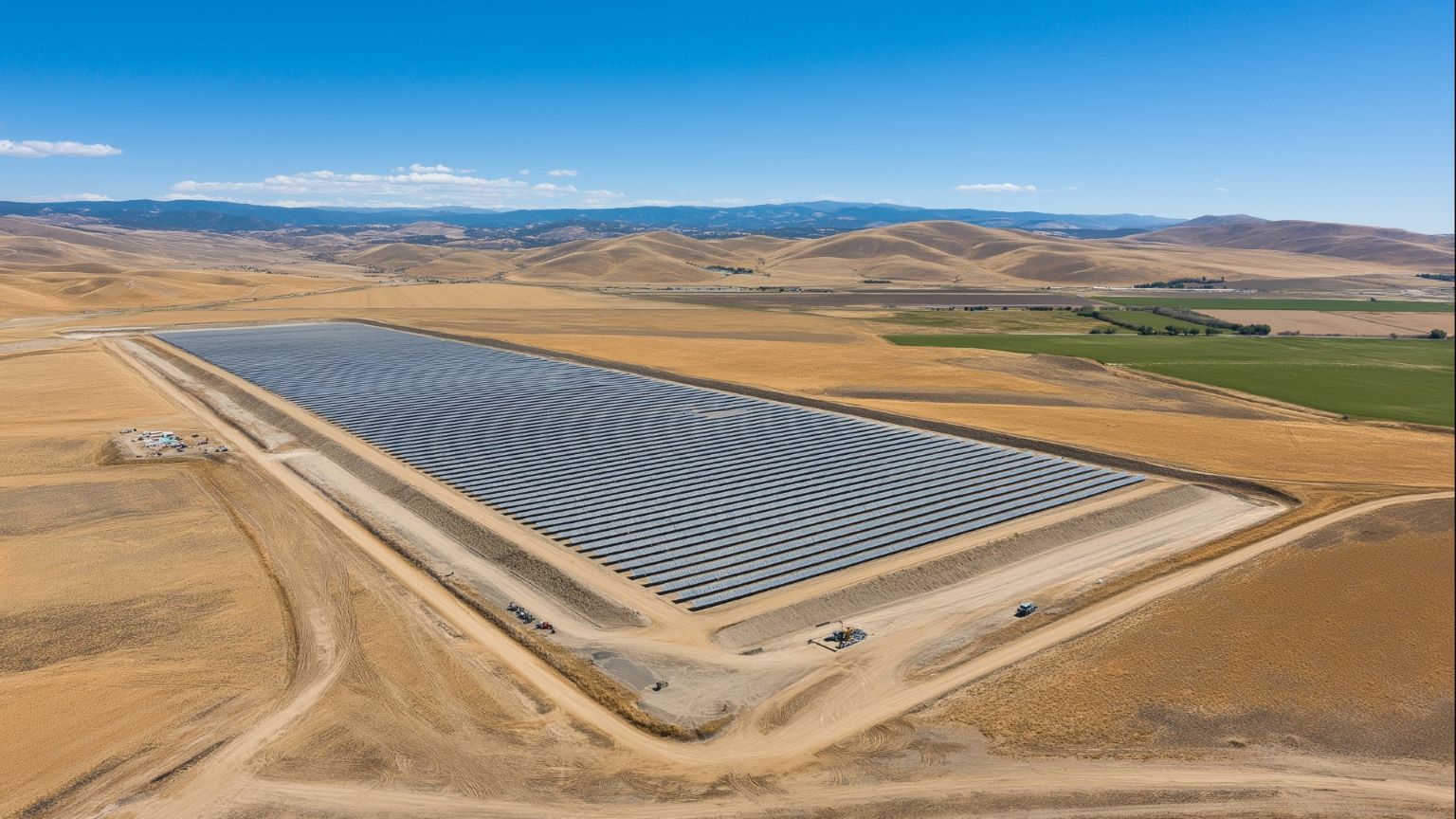
And on a construction site in Fresno, Visalia, or anywhere along the Valley’s expanding residential and commercial development corridors, “after hours visitors” are not hypothetical. They are kids exploring the new subdivision being built behind their neighborhood. Homeless individuals seeking shelter in partially enclosed structures. Thieves who injure themselves while stealing your materials. All of whom can… and do… generate liability claims.
Your Jobsite Is an Attractive Nuisance That Is Open 24 Hours
A construction site in an active development area is magnetically attractive to people who should not be on it:
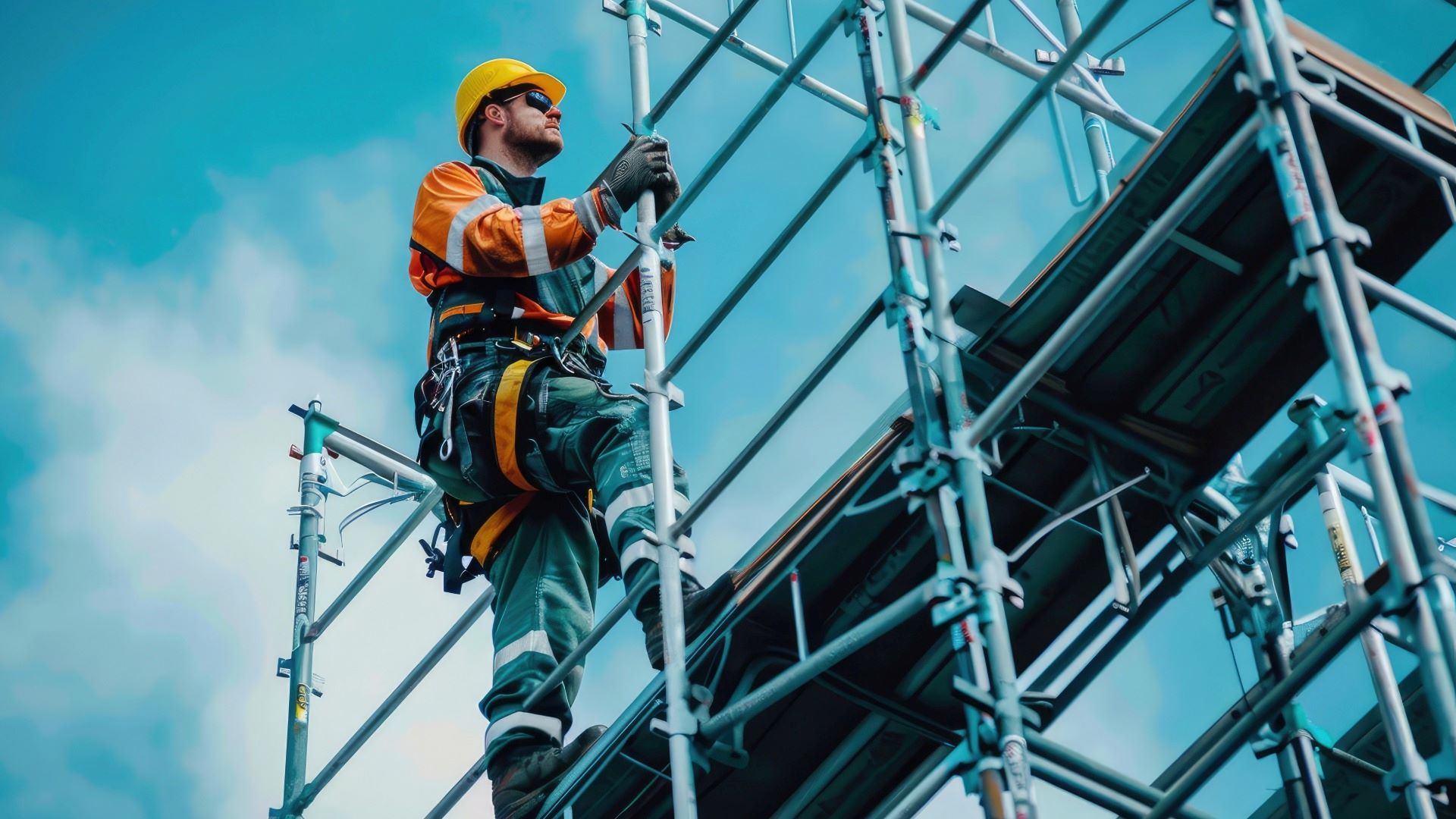
- Adolescents and teenagers treat construction sites as adventure playgrounds. The excavation is a dirt bike track. The scaffolding is a climbing wall. The partially framed house is a fort. They enter after hours, on weekends, and during holidays… precisely when no one is present.
- Unhoused individuals seek shelter in partially enclosed structures, especially during Valley winters. They set up camps inside framed buildings, use open electrical outlets for phone charging, and start fires for warmth. The fire risk alone is a project-ending hazard.
- Thieves who injure themselves during the commission of theft. Yes, even a thief who falls through a floor opening while stealing your copper can… and has… filed a premises liability claim in California. The logic is uncomfortable but legally established: the contractor knew the hazard existed and failed to protect against foreseeable unauthorized entry.
- Neighboring property owners who wander onto the site to “check progress” on the house being built next to theirs. No hard hat. No fall protection. No authorization. Full liability exposure.
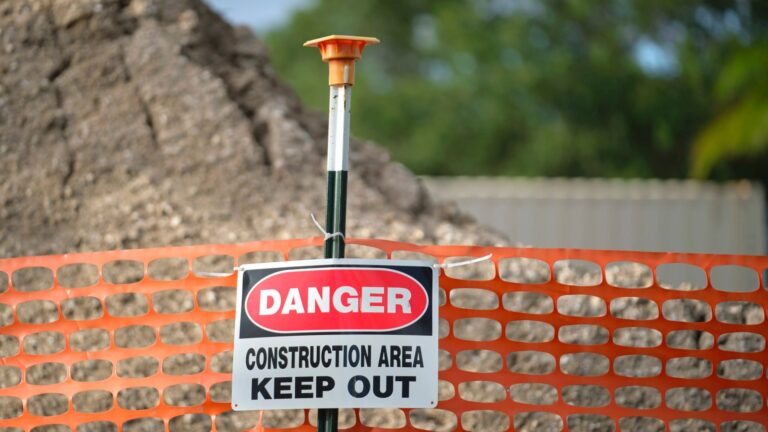
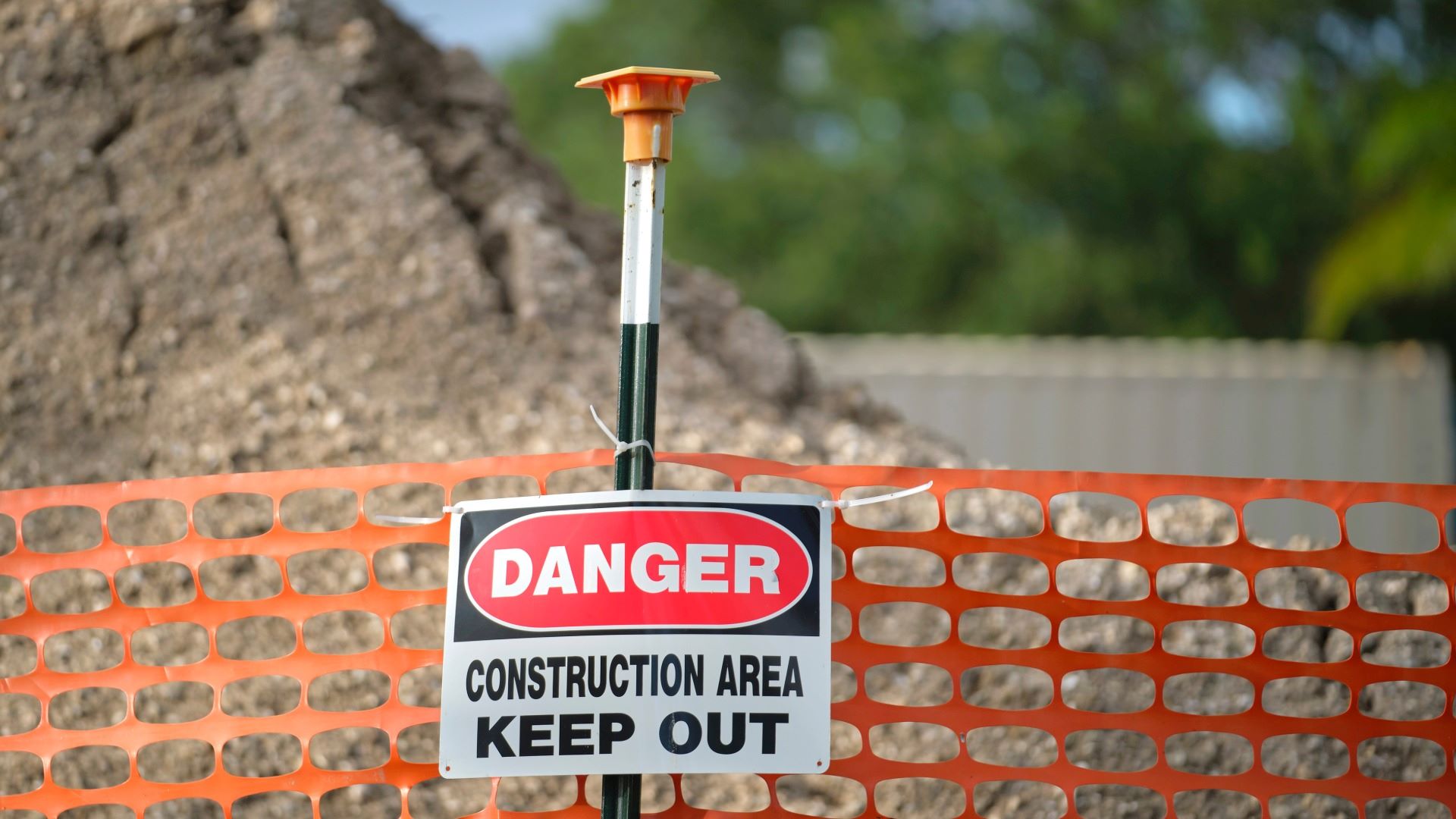
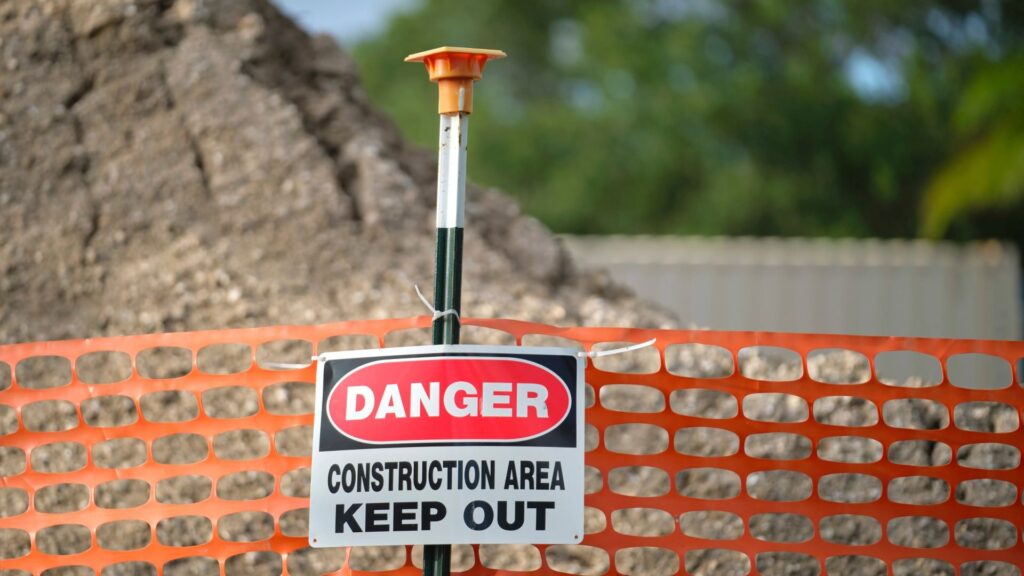
The standard jobsite protection against unauthorized entry… the fence and the padlock… is legally relevant only if it was in place and functional at the time of the incident. If the fence was cut and not repaired, if the gate was left unlocked, if a section of fence was removed for equipment access and not replaced… the protection argument weakens.
The Lawsuit Arrives Before the Certificate of Occupancy
Premises liability claims against contractors are expensive to defend even when you win. The defense costs for a contested liability claim… attorney fees, expert witnesses, depositions… routinely exceed $50,000. If you settle, the settlement can range from $100,000 to $500,000+ depending on the severity of the injury. A traumatic injury to a minor trespasser on a site with demonstrably poor safety controls? That is a seven-figure exposure.
Your general liability policy responds… but your premium does not recover. Every premises liability claim affects your loss history. Your GL premium increases. Your ability to obtain competitive insurance quotes for future projects diminishes. Over a five-year lookback period, a single high-value claim can add $100,000+ in cumulative premium increases.
The counter-argument without cameras is weak. Your attorney’s defense revolves around demonstrating that you took “reasonable precautions” to prevent unauthorized access and that the hazard was not a “known danger.” Without camera footage, your evidence is: the fence was there, the gate was probably locked, and the barricade tape was probably in place. “Probably” is not a legal defense. It is an invitation for the plaintiff’s attorney to argue otherwise.
With cameras, the defense narrative changes fundamentally. You can show: the fence was intact at 9 PM when the last camera-documented vehicle departed. The gate was closed and locked… documented on video. The excavation was barricaded with orange fencing… visible on four separate camera angles. The trespasser cut the fence at 1:47 AM, bypassed the barricade, and entered the excavation voluntarily. That evidence transforms a six-figure settlement into a defensible case.
Visual Evidence That Protects Your Site and Your Defense
PC Solutions deploys Verkada camera systems at construction sites across the Central Valley… providing the visual documentation that protects both the site and the contractor’s legal position.
1. Continuous After-Hours Perimeter Monitoring Cameras document perimeter conditions 24/7… fence integrity, gate status, and barricade placement. At any point, you can demonstrate that your safety controls were in place. When a plaintiff alleges that the excavation was “unprotected,” you show the footage of the barricade that existed the evening before the incident.
2. Trespasser Detection and Alert AI-powered detection identifies persons entering the site after working hours. The superintendent receives a video alert showing who entered, where, and when. In real time, you can choose to: dispatch security, activate the deterrent speaker, or call law enforcement. You are no longer discovering the aftermath Monday morning… you are responding in the moment.
3. Active Deterrence for Unauthorized Entry Speaker and strobe activation at the point of entry warns trespassers: “You are trespassing on an active construction site. You are on camera. Leave immediately.” This is both a deterrent and a legal documentation point… you warned the trespasser, and you have the video to prove it.
4. Hazard Documentation for Legal Defense Camera footage documents your site conditions daily… barricade placement, guardrail installation, excavation protection, warning signage. This continuous visual record is exponentially more valuable than a weekly safety inspection checklist in a legal proceeding. The plaintiff says the excavation was unmarked. The camera says otherwise.
5. Incident Timeline Reconstruction When an incident does occur, camera footage provides a complete timeline… the trespasser’s entry method, path through the site, the moment of the injury, and the site conditions at the time. This is the evidence your insurance carrier and your attorney need to defend the claim effectively.
The Trespasser at 2 AM Is Going to Sue You. The Camera Is Your Best Witness.
PC Solutions deploys construction site camera systems that protect your project and your legal position.
Schedule a jobsite liability assessment →
Call 559.825.3200 or email sales@gopcsolutions.com