
A Worker Fell on Your Clovis Jobsite. Cal/OSHA Asked for Video. You Had a Toolbox Talk Sign-In Sheet.
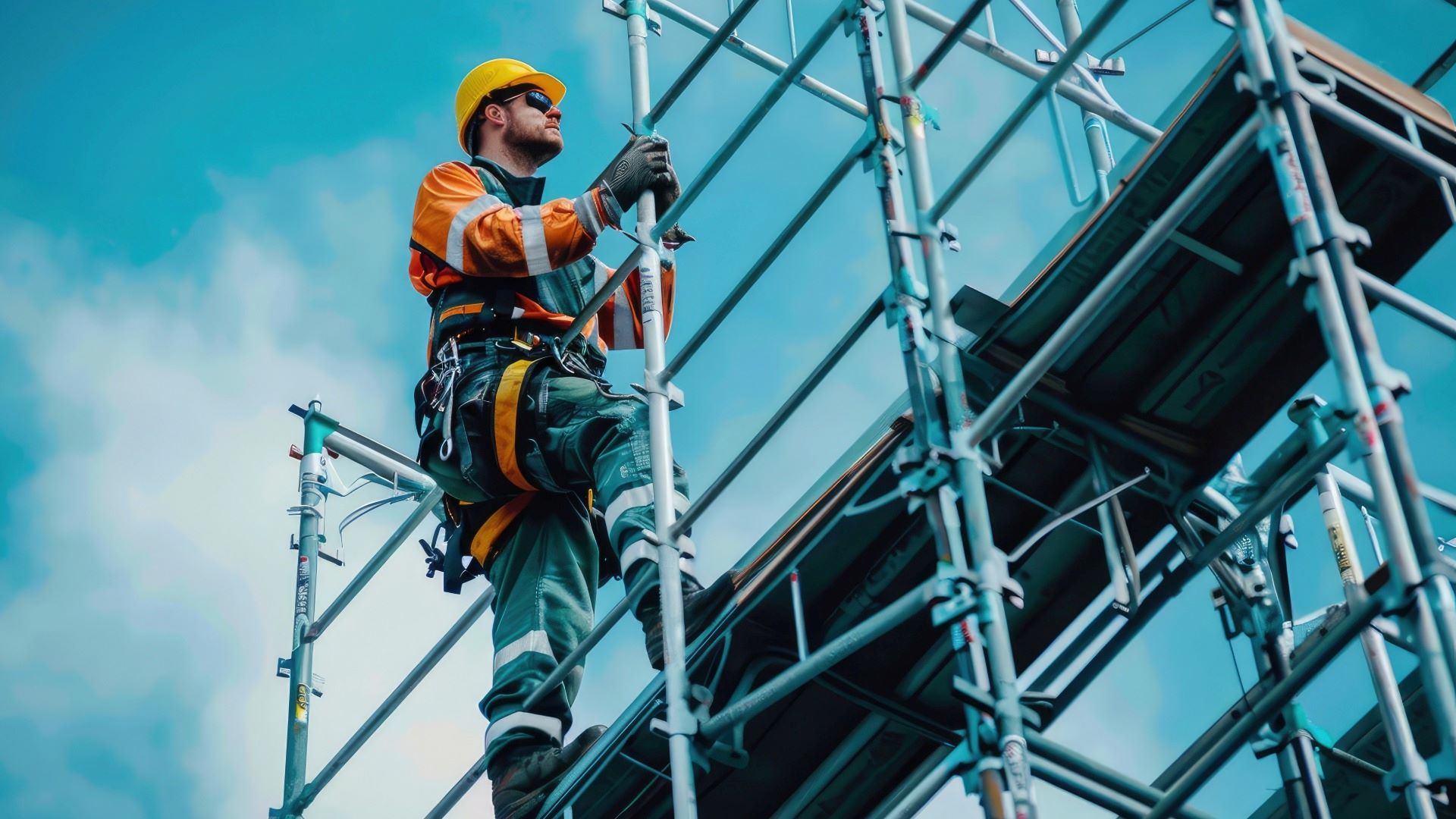
The toolbox talk happened. The sign-in sheet was signed. The fall protection was discussed. And then a worker fell from a scaffold because his harness was not clipped in.
Cal/OSHA shows up. The investigator asks three questions that define the trajectory of the next six months of your life:
- “Do you have a safety program that addresses fall protection?” Yes. Of course. Binder on the shelf. Signed by everyone.
- “Was a toolbox talk conducted on the day of the incident?” Yes. Sign-in sheet right here. 14 signatures. Topics covered: fall protection, PPE, scaffold safety.
- “Do you have video showing whether the worker was wearing the harness at the time of the fall?” And now the conversation changes.
Because the answer, for most Central Valley contractors, is no. You have a paper trail that proves you told the worker what to do. You do not have evidence that proves anyone verified it was being done.
That gap… between training documentation and compliance verification… is where Cal/OSHA citations live.
Paper Proves the Talk. Video Proves the Walk.
Cal/OSHA does not dispute that you held the toolbox talk. They do not question that your safety program exists. What they question is whether your safety program was being followed at the time of the incident.
The standard safety documentation package on a Central Valley construction project:
- Toolbox talk sign-in sheets… proof that workers were informed. Not proof that they complied.
- JHA (Job Hazard Analysis) forms… proof that hazards were identified. Not proof that controls were implemented.
- Weekly safety inspections… proof that someone walked the site once a week with a clipboard. Not proof of what was happening during the other 55 working hours.
- OSHA 300 logs… historical injury data. Completely retrospective. Zero preventive value.
When a serious injury occurs and Cal/OSHA investigates, the investigation follows a predictable pattern:
- Was the hazard known? (Yes… it is in the JHA.)
- Was the worker trained? (Yes… the sign-in sheet proves it.)
- Was the control measure in place at the time of the incident? (This is where it gets uncomfortable.)
Without video, the answer to that third question is: “We believe so.” Or “The foreman says he saw the harness on earlier that morning.” Or “We have a policy that requires it.”
Cal/OSHA does not cite you for not having a policy. They cite you for not enforcing it. And enforcement requires evidence.
A Serious Citation Starts at $18,000… and Goes Up Fast
Cal/OSHA serious violation penalties start at $18,000 per violation. A willful violation… where the employer knew the hazard existed and did not abate it… can reach $156,259 per violation. Repeat violations compound.
In construction, serious violations are overwhelmingly concentrated in four categories:
- Fall protection — the #1 cited standard, year after year
- Scaffolding — improper erection, missing guardrails
- Trenching and excavation — unshored trenches, no competent person
- Electrical — contact with energized lines, improper GFCI protection
Every one of these is a visual compliance issue. A camera can see whether the harness is clipped in, whether the guardrail is in place, whether the trench is shored, and whether the work is happening near energized lines. The camera captures what the toolbox talk cannot: what is actually happening on the site, in real time, continuously.
Your workers’ comp Experience Modification Rate (EMR) is the silent budget killer. A serious injury combined with a Cal/OSHA citation drives your EMR above 1.0)… which increases your workers’ comp premiums for three years. For a mid-size contractor, that premium increase can exceed $50,000 per year. Over the three-year lookback period, a single incident costs $150,000+ in premium increases alone… before the citation fine, the medical costs, and the attorney fees.
Your prequalification for the next project depends on your safety record. Large project owners, developers, and general contractors require safety prequalification. Your EMR, your OSHA citation history, and your incident rates are scrutinized. A contractor with a clean record wins work. A contractor with a serious citation and an EMR above 1.0 loses bids. The camera system is not an expense… it is prequalification insurance.
Visual Safety Documentation That Proves Compliance Continuously
PC Solutions deploys Verkada camera systems at construction sites across the Central Valley… configured for safety documentation, compliance verification, and incident response.
1. Continuous Visual Coverage of High-Risk Work Zones Position cameras to cover scaffold areas, elevated work zones, trench operations, and crane swing radiuses. When a Cal/OSHA investigator asks for evidence of fall protection compliance at the time of the incident, you pull up footage showing the worker’s harness status at any point during the shift.
2. Remote Safety Spot-Checks Your safety director in the office can pull up a live feed from any active work zone and verify compliance from their desk. Is the guardrail up? Is the trench shored? Are workers wearing harnesses at height? Remote verification extends the safety officer’s reach without adding site visits.
3. Time-Stamped Incident Documentation When an incident occurs, the footage provides an objective, timestamped record of what happened. No conflicting witness statements. No “I had the harness on” disputes. The camera shows the truth. Investigations are shorter. Citations are defensible. Insurance claims are supported.
4. Toolbox Talk Video Verification Record toolbox talks with camera footage to document not just who attended but what was discussed and demonstrated. When Cal/OSHA asks “was the hazard discussed?” you show them the footage of the safety officer demonstrating proper tie-off procedures that morning.
5. Pre-Task Planning and JHA Visual Documentation Pair JHA documentation with camera footage of the work area before, during, and after the task. When the JHA says “guardrails installed prior to scaffold access,” the footage confirms it.
The Sign-In Sheet Proves You Talked About Safety. The Camera Proves You Practiced It.
PC Solutions deploys construction safety camera systems for contractors across the Central Valley.
Schedule a jobsite safety assessment →
Call 559.825.3200 or email sales@gopcsolutions.com