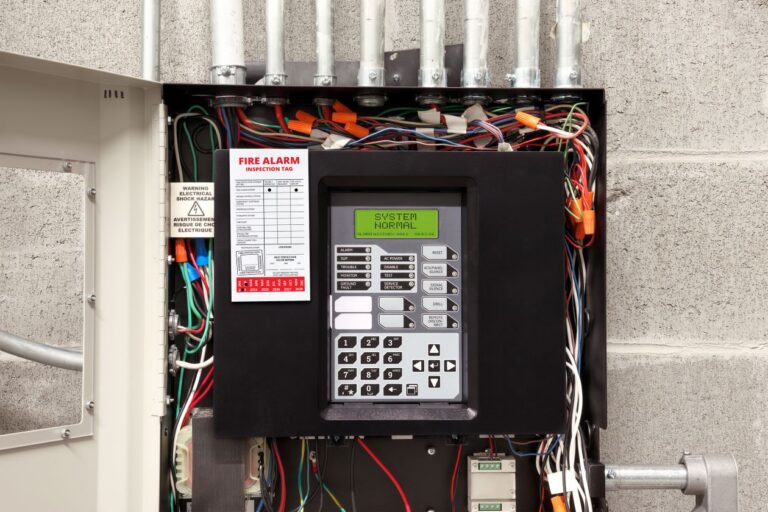
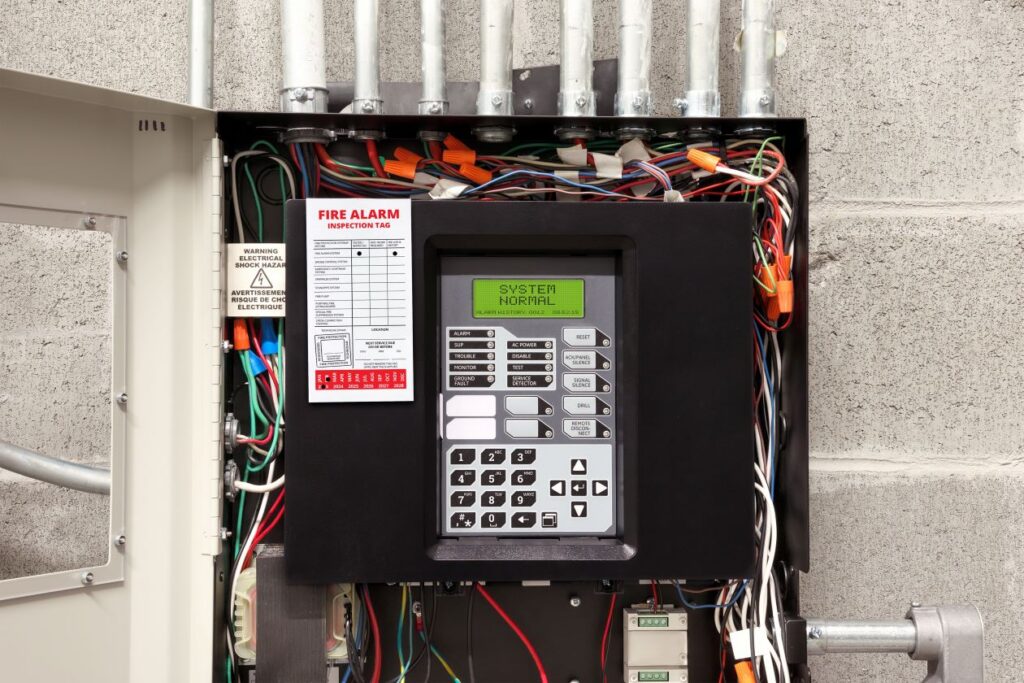
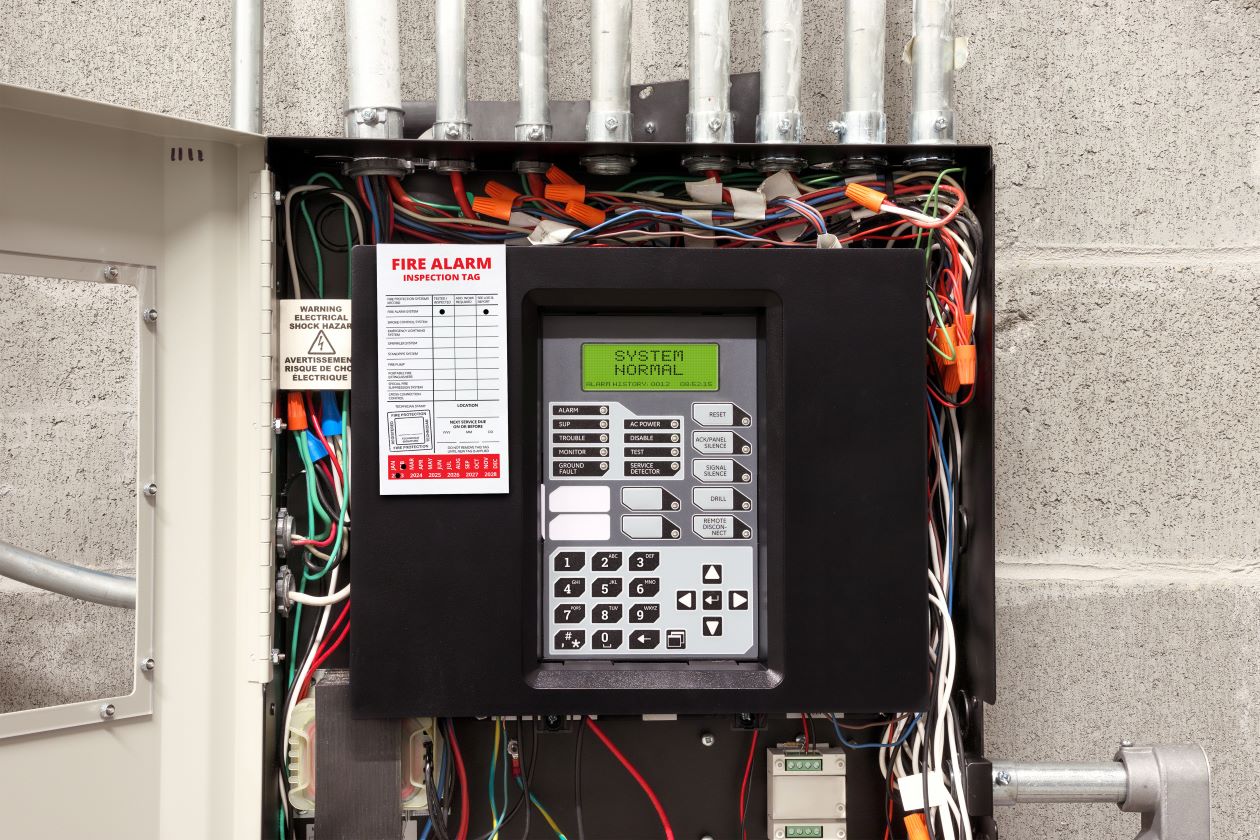
Nobody thinks about the phone line in the fire riser room. It doesn’t ring. Nobody reads that part of the bill. It sits there, wired into your fire panel, waiting for the one night it has to work.
AT&T has asked the federal government for permission to turn it off.
On May 20, 2026, AT&T filed an application with the FCC to discontinue its copper-based landline service in portions of 360 wire centers across California. The list includes Fresno-Main, Fresno-Baldwin, Fresno-Clinton, Fresno-Sierra, Fresno-West, Fresno-Woodward, Clovis, Madera-Bonadelle, Selma, Hanford, Visalia, Tulare, Merced and seven Bakersfield wire centers. AT&T filed a companion application the same day to discontinue its basic business lines in the same areas.
If your building is in the Central Valley, your copper is probably on that list.
Your Building Has More Copper Lines Than Your Phone System Does
You moved your desk phones to VoIP years ago. That part is done. The copper that’s left isn’t for people. It’s for machines:
- Fire alarm panels that dial the monitoring center when a smoke detector trips
- Elevator emergency phones that a trapped passenger picks up
- Burglar and intrusion alarms
- Gate and door entry call boxes
- Fax lines at the front desk, the pharmacy, the title office
- Backup lines for card terminals and older PBX systems
Most of them were installed by someone who doesn’t work for you anymore. The bill gets paid every month. Nobody can tell you which line goes to which device.
The Shutdown Already Has Dates on It
This isn’t a someday problem. In the notices AT&T mailed to affected customers with the filing, the company set two dates:
- On or after July 19, 2026: AT&T stops taking new orders for traditional landline service in these areas. You can’t make changes to existing service, including moving it to a new address.
- On or after June 1, 2027: AT&T stops providing the service, pending FCC approval.
The first date has already passed. Renovating a suite, relocating a tenant or adding an elevator? The copper line you’d normally order isn’t an option anymore.
AT&T’s case to the FCC is simple. The company says copper now serves about three percent of California households in its territory, and it costs AT&T roughly $1 billion a year to maintain. It also told the FCC that approval would let it move past California’s Carrier of Last Resort rules, the state requirement that has kept landline service available everywhere until now.
The carrier has made its decision. What’s left is when your building finds out.
A Copper Line Doesn’t Fail Loudly
When your internet goes down, everyone knows in about ninety seconds. When an alarm line goes dead, nothing happens. No error message. No phone call.
You find out one of three ways:
- At inspection. The fire marshal or elevator inspector tests the line, and it doesn’t connect.
- From your monitoring company. They notice your panel hasn’t checked in, if they’re watching for it.
- During the emergency. The panel tries to dial out and can’t.
The network itself is getting less reliable while you wait. Repair times on copper keep getting longer, and the technicians who know how to work on it are retiring. Theft makes it worse. AT&T’s filing says California has had about 2,000 outages from copper theft this year alone.
Replace the Line. Keep Your Equipment.
You don’t need a new fire panel, a new elevator phone or a new phone system. You need a new path for the signal. Here’s how PC Solutions handles it:
1. A copper line audit. We walk your building and trace every analog line to the device it serves, then match it against your bill. Most businesses find lines they didn’t know they had, and lines they’re paying for that aren’t connected to anything.
2. e-POTS for everyday analog lines. Your existing phones, fax machines and paging systems keep working. Installation is quick, with no system overhaul. You keep your numbers, and lines are monitored 24×7. Most customers save up to 15% on monthly phone costs.
3. e-PRI for PBX systems. If your business runs on a high-volume or PBX-based system, you keep the PBX. No new hardware. Service runs through geo-redundant data centers, with the device included and fully managed.
4. Life-safety lines checked before cutover. Before we move a fire panel or elevator phone, we coordinate with your alarm vendor and your local fire authority to confirm the replacement is accepted for that device. Then we test it.
5. Support from Clovis. When something needs attention, our techs are local. You’re not waiting on a national carrier’s ticket queue.
The Dead Line You Haven’t Found Yet Is Still a Dead Line
AT&T will send more letters. The FCC will rule. You can schedule this work on AT&T’s calendar, or on yours.
The businesses that move first get the cutover dates that work for them. The ones that wait get whatever’s left when the line goes quiet.
Schedule a copper line audit →
Call 559.825.3200 or email sales@gopcsolutions.com.